This challenge consists of seeing who can take more paracetamol before being hospitalized. “Consumption in adults must be responsible,” it concludes.
Paracetamol can be highly toxic After consuming high doses of paracetamol, nausea and vomiting can be experienced during the first 24 hours. Paracetamol can cause serious and irreversible liver damage, which sometimes requires a liver transplant. The dispensation of paracetamol to minors is not allowed. When dispensing it to adults, they must be reminded of the risk associated with an overdose. Medications should not be within the reach of children and adolescents. It also causes kidney and pancreatic damage and even death.
Following hospitalizations of adolescents due to the intentional consumption of paracetamol, encouraged by this “viral challenge,” the Faculty of Medicine of the National University of Rosario issued a statement aimed at mothers, fathers, and health professionals:
“This challenge involves intentionally taking toxic doses of paracetamol to assess resistance and compare the duration of hospitalization with peers. We are alerting to the risks associated with this challenge.”
Health professionals warn of the danger of taking non-recommended doses of paracetamol.
Subsequently, no earlier than 12 to 36 hours, the symptoms of hepatotoxicity begin, indicating liver damage, with a peak of maximum intensity 72 to 96 hours after consumption. It can manifest as jaundice (yellowish coloring of the skin, mucous membranes, and eyes), or more serious signs such as acute liver failure, hyperventilation, altered consciousness, kidney failure, etc.
Health professionals warn that medications are not harmless tools and that doses are indicated specifically for each patient, for a particular age and pathology.
Cecilia Travella, president of the Argentine Toxicology Association, was consulted by National Radio and expressed her concern about the perception of paracetamol as a low-risk medication, given that it is sold over the counter. High doses of it can lead to serious and irreversible liver damage, sometimes requiring a transplant. Additionally, she warned that consultations regarding the intentional consumption of drugs, encouraged by viral challenges, are occurring throughout the country and not only in Rosario.
What to do? It is advisable to talk with our adolescents about the risks posed by certain viral challenges. There are platforms such as chicos.net specialized in the accompaniment of children and adolescents in a digital world.
In case of suspicion or certainty of an overdose, it is essential to take the person to the nearest hospital. The National Poison Center of the Posadas Hospital in Buenos Aires has a 24-hour information and advice center: 0800-333-0160.
This viral challenge, exported from the United States and Europe, set off alarms this week in Argentina, with hospitalizations of adolescents reported in Rosario, Santa Fe province. Or its variant: measuring the hospitalization time among a group of friends. For many of them, the ultimate goal is group belonging. Wanting to belong is typical of their age, however, it is very important to be clear: no group of friends is worth putting your life at risk. Therefore, it is important to be informed, to dialogue, and to address the issue preventively. Whoever “lasts longer” is crowned the winner.
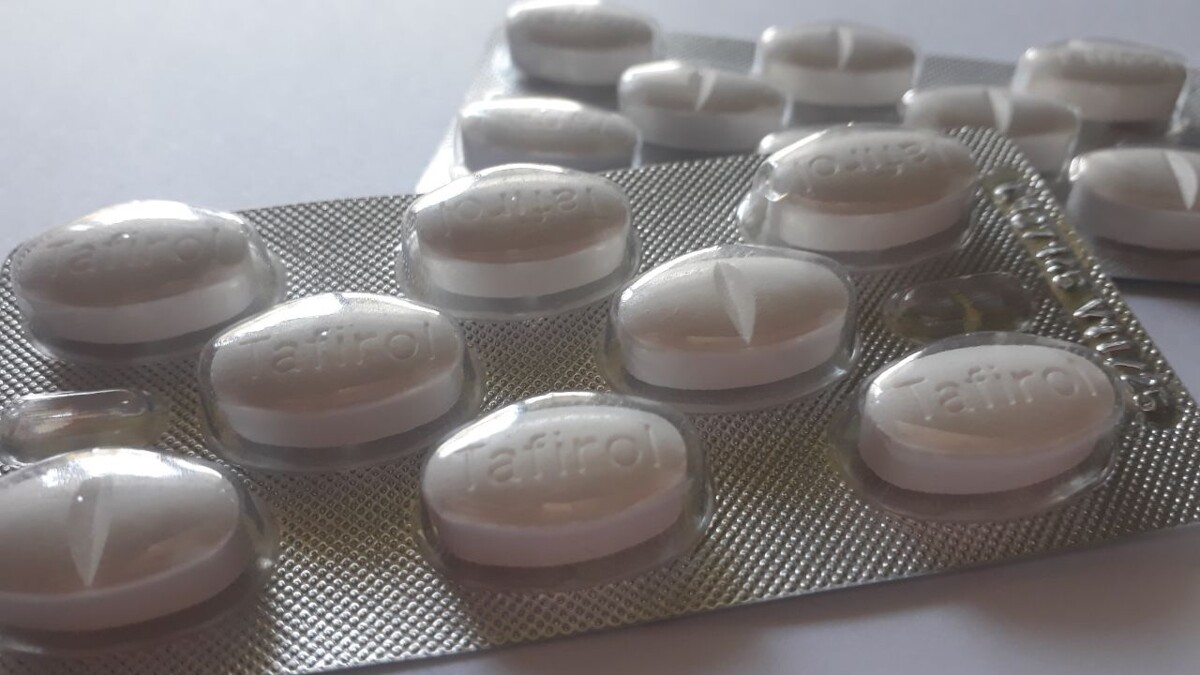
Illustrative image.